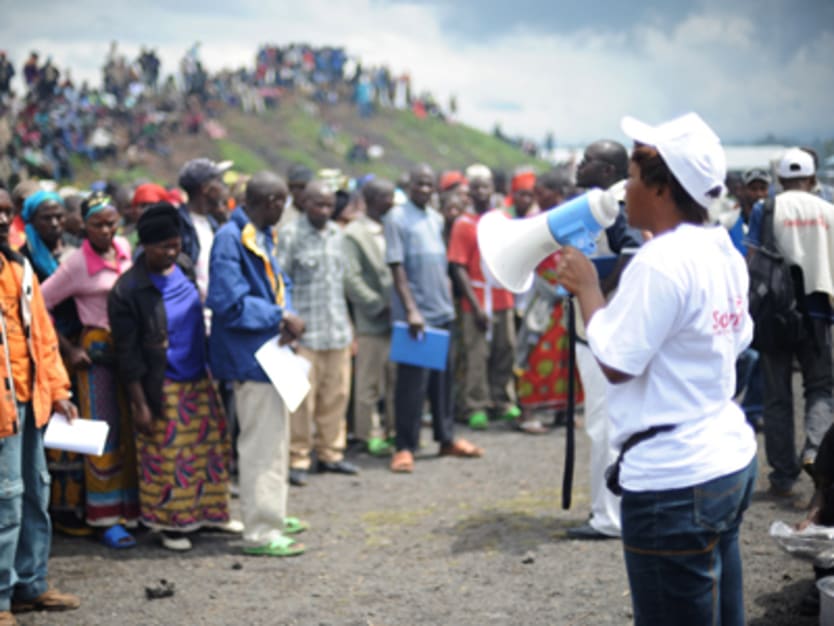
With a healthy percentage of foreign aid budgets devoted to fragile states, it’s no surprise that many aid workers find their most viable career prospects are in conflict zones.
READ: 6 things to watch out for in 2014
Working in a conflict zone does not come without significant sacrifices, however. Positions are typically classified as “unaccompanied,” meaning if you have a family, they cannot relocate with you. Personal mobility and freedoms are restricted due to security concerns, while the isolation and psychological toll that such conditions can take on overworked professionals isn’t something most can sustain for long.
However, once you have experience of working in a conflict zone, you may find that the only job offers out there are for more positions in the same location. So what should you do if you’re ready to move on to a more secure work environment? How can you avoid getting pigeon-holed as the person who gets sent where no one else wants to go?
Here are six tips for working your way out of a conflict zone:
1. Build up expertise in an area of aid that is also implemented in more secure contexts
For example, if you specialize in conflict mitigation or counseling internally displaced persons, you will likely find most of the opportunities in more fragile locations where these skills are in high demand. If you look to build up expertise in the kinds of interventions that are also implemented after a conflict or crisis is over — for example, in institutional or civil society strengthening — you will likely find more opportunities that match your skills and your location preferences.
2. Demonstrate how your experience succeeding in the most unlikely of scenarios will add value in other contexts
Implementing impactful development programs in fragile states is difficult, to say the least. It’s why you are probably so sought after to continue working in these areas. In your CV and cover letters, explain how the approaches and lessons learned by working in danger zones can be applied to other contexts. After all, if you can make it there, you can make it anywhere.
3. Get in the mind of a recruiter
Recruiting for conflict zones is tough. You have to find people with the right expertise, education and experience who are willing to work in difficult situations entailing all of the sacrifices mentioned above.
READ:Recruiting for the world’s toughest jobs
Hiring the wrong person may cause extreme setbacks to a program. So recruiters are looking for people who know what they are getting into and have proven that they can perform. When they see Afghanistan on your CV, for example, it will be hard for them to not get excited about recruiting you for one of their open positions there. Use these conversations and offers of employment as an opening to get to know recruiters and their organizations. In turn, let them get to know you. While they may be disappointed you can’t help them fill one of their difficult placements, they will also understand your desire to seek jobs elsewhere. Bonus points will follow if you can refer them to someone who can fill one of their open conflict zone vacancies while they try to find the right opportunity for you.
4. Just pick up and move
This is advice often suggested to entry-level candidates who are looking to get their first field experience when frustrated that no one will hire them for a job without previous field experience. It can be so much easier to gain employment when you are on the ground.
READ: How to get that first aid job in the field
The same advice applies here. Pick a place where you have at least some network to tap into — even if it is just a few people — and where the development priorities align with your area of expertise or in an area where a donor you have experience with is particularly active. Most organizations would be happy to talk to an experienced professional who is on the ground, ready to go.
5. Brace yourself for a pay cut
One of the ways aid organizations are able to entice highly qualified professionals to work in a conflict zone is to offer hazard or danger pay. Depending on the organization or donor, these additional benefits can often add up to an additional 70 percent premium on top of a standard salary. Many recruiters tell me they are loathe to recruit someone away from a conflict zone when they know they cannot match their current rate of pay. If you want to transition out of a conflict zone, you will need to be prepared to lose the financial benefits that can come with it.
6. Petition your employer
Just as recruiters will be anxious to recruit you for their conflict zone positions, your employer will also be eager to keep you in a position or location where it would be hard to find a replacement. Have a frank talk with your employer about your long-term career goals. This is best done during a scheduled review and not given as an ultimatum. This will allow the employer time to think about where else you could move and balance it with their programs and overall priorities — as well as begin the search for that hard-to-find replacement. Depending on the role, you could also explore being based in a regional hub with occasional travel to the conflict zone where you currently operate. For example, many Iraq-focused positions are based in Amman and a lot of Somali or DRC programing is done out of Nairobi.
What advice do you have for humanitarian and aid professionals looking to transition out of a conflict zone? Please share your advice and experiences in the comments below. If you have a question about managing your career in international development, please tweet me @DevexCareers.
Read more:
About the author

Kate Warren@KateDWarren
Kate Warren is the Executive Vice President and Executive Editor of Devex, where she leads a global team of journalists, event producers, and communications and marketing professionals to drive conversations around the most pressing and urgent issues of our time, including climate, global health, food security, philanthropy, humanitarian crises, and foreign aid funding. Through live journalism — via in-person and virtual events — along with insider news, analysis, podcasts, content series, and special reports, Kate and her team ensure the most important ideas, voices, and debates reach an influencer audience to drive impact and make progress on the Sustainable Development Goals.