

Juan Carlos Concepcion
Latest Articles
Doing business with DFAT: A procurement process guide
over 11 years ago // Contracting
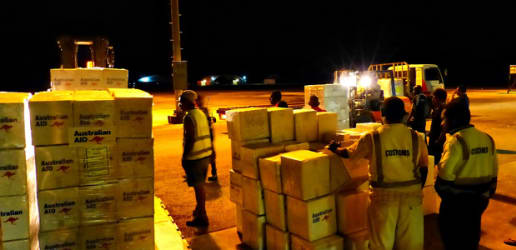
While the Australian aid program went through structural and policy reforms over the past year, the process for aid procurements has remained largely the same. Check out our infographic for a quick guide to DFAT’s procurement process.
Doing business with IDB: A procurement process guide
over 11 years ago // Contracting
In 2006, IDB went through a major realignment that, among other things, aimed to improve institutional efficiency. But an internal review done this year found it actually caused procurement delays. What is the current procurement process at IDB? Check our infographic to find out.
Top 10 developing country recipients of global remittances
over 12 years ago // In Numbers
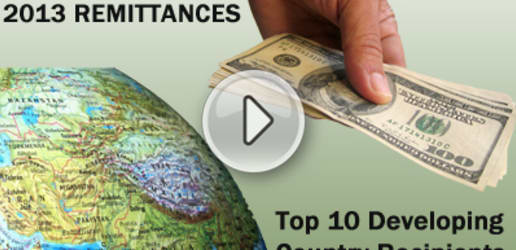
India and China are not only the top recipients of remittances worldwide, they also receive about one-third of money transfers to the developing world. In 2013, remittances to these two Asian countries are expected to reach $131 billion. Which other developing economies have made it to the top 10? Check out this slideshow to find out.

Top 10 development bank donors for clean energy
over 12 years ago // In Numbers
For the second consecutive year, two development banks from the BRICS group of emerging economies are among the world’s leading funders of clean energy. Check out this slideshow to see the list of top 10 development bank donors to the sector.

Top 10 recipients of EU aid
over 12 years ago // In Numbers
In 2012, the European Union provided the highest official development assistance to Turkey — an upper middle-income country that has claimed the top spot two years in a row. What other countries have made it into the top 10? Check out this slideshow to find out.
Corruption survey triggers questions in aid modalities
over 12 years ago // In Numbers
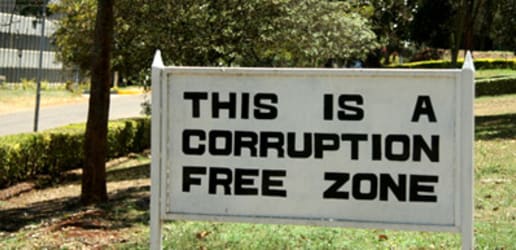
How corrupt are public institutions, nongovernmental organizations and the private sector in developing countries? A recently released corruption survey has found troubling results that may affect the way aid money is being channeled.
Developing economies emerge winners amid drop in global FDI
over 12 years ago // In Numbers
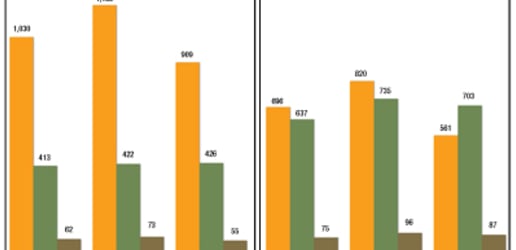
While flows to developing countries dipped 4 percent to $703 billion in 2012, investments in developing nations surpassed money committed to their richer neighbors by $142 billion. This is according to the 2013 World Investment Report, which tracked global FDI inflows and outflows in 2012.
ADB clean energy investments on the rise
over 12 years ago // In Numbers
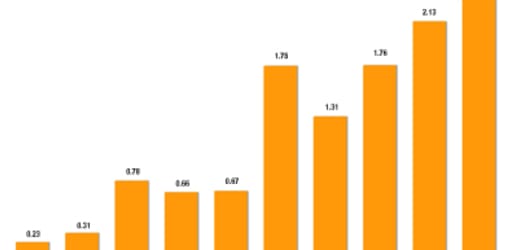
The Asian Development Bank’s growing clean energy investments are expected to address Asia’s disturbing levels of carbon emissions, which could reach 21 billion tons, or nearly half of the world’s output, by 2035.
Cities in developing countries among the world’s priciest
over 12 years ago // In Numbers
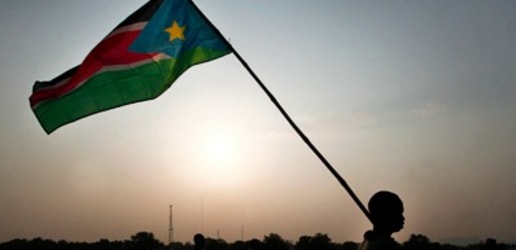
Among the 50 most expensive cities for expats to live in, 13 are from developing countries; and 10 out of the 13 are from Africa, according to ECA International, a firm that provides employers worldwide with global staffing information and other human resource-related advice.
Illegal capital flight exceeds investments in Africa
almost 13 years ago // In Numbers
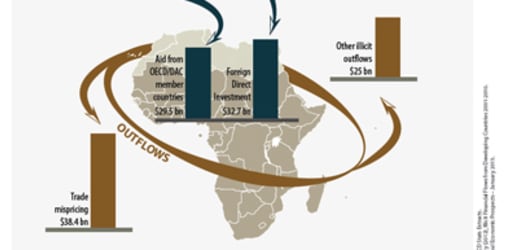
Between 2008 and 2010, Africa recorded an annual average of $38.4 billion in trade mispricing and $25 billion in illicit funds — more than what the region received in development aid and foreign direct investments in the same period.