

Across the world, one simple truth holds: When women thrive, societies thrive. Yet, as 2026 begins, governments and global institutions are still not investing in women and girls at the scale the evidence demands. The question now is whether they will finally match their ambitions with sustained, strategic financing.
Since leaders affirmed that women’s rights are human rights in the 1995 Beijing Declaration, the world has grown more uncertain — economically strained, politically polarized, and increasingly anxious about the future. In moments like these, it can be tempting for governments to tighten budgets in ways that quietly roll back investments in women and girls. But cuts to women’s health, child care, or economic opportunity are not savings. They are costs deferred — costs that families, communities, and national economies inevitably pay later, with steeper penalties.
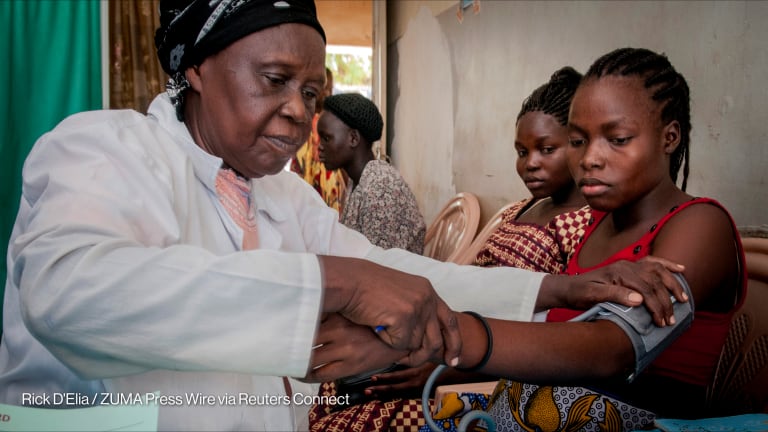
Families around the world are already feeling the pressure of underinvestment. When child care is unaffordable or unavailable, parents — most often mothers — scale back paid work. When women lack access to quality health care, families face more medical emergencies, communities shoulder avoidable costs, and local health centers become even more overstretched. When women lack the capital to grow businesses, economies lose out on women’s innovation and productivity.
About the author

Seema Jalan
Seema Jalan leads the Gates Foundation’s gender equality program, advocacy, and communications work. Previously, she served for a decade as the executive director of the Universal Access Project and Policy at the United Nations Foundation, a multistakeholder initiative of philanthropists, advocates, and companies striving for a world where all people can realize their sexual and reproductive health and rights.