
• News
    • Latest news
    • News search
    • Health
    • Finance
    • Food
    • Career news
    • Content series
    • Focus areas
    • Try Devex Pro
  • Jobs
    • Job search
    • Post a job
    • Employer search
    • CV Writing
    • Upcoming career events
    • Try Career Account
  • Funding
    • Funding search
    • Funding news
  • Talent
    • Candidate search
    • Devex Talent Solutions
  • Events
    • Upcoming and past events
    • Partner on an event
  • Post a job
  • About
      • About us
      • Membership
      • Newsletters
      • Advertising partnerships
      • Devex Talent Solutions
      • Contact us
Join DevexSign in
Join DevexSign in

News

  • Latest news
  • News search
  • Health
  • Finance
  • Food
  • Career news
  • Content series
  • Focus areas
  • Try Devex Pro

Jobs

  • Job search
  • Post a job
  • Employer search
  • CV Writing
  • Upcoming career events
  • Try Career Account

Funding

  • Funding search
  • Funding news

Talent

  • Candidate search
  • Devex Talent Solutions

Events

  • Upcoming and past events
  • Partner on an event
Post a job

About

  • About us
  • Membership
  • Newsletters
  • Advertising partnerships
  • Devex Talent Solutions
  • Contact us
  • My Devex
  • Update my profile % complete
  • Account & privacy settings
  • My saved jobs
  • Manage newsletters
  • Support
  • Sign out
Latest newsNews searchHealthFinanceFoodCareer newsContent seriesFocus areasTry Devex Pro
    • Opinion
    • Global Health

    Opinion: Adopting WHO's oxygen resolution is imperative to save lives

    The World Health Organization has announced its plan to introduce the Increasing Access to Medical Oxygen resolution. This is a significant milestone in global health efforts in low- and middle-income countries.

    By Zachary Katz, Robert Matiru // 16 March 2023
    If adopted and implemented, the World Health Organization’s draft resolution to increase access to medical oxygen will help save hundreds of thousands of lives. At the end of January, WHO’s executive board announced its plan to introduce the Increasing Access to Medical Oxygen resolution for adoption at this year’s World Health Assembly. Although this received little fanfare outside of those working directly in respiratory care, it marks a significant milestone in global health efforts to address medical oxygen shortages in low- and middle-income countries. No one, no matter where they live, should die from lack of oxygen, a condition we can diagnose easily, treat affordably, and prevent globally. Yet in many countries in Africa, Asia, and South America, a shortage of oxygen has created a health equity crisis. Almost half of the hospitals in LMICs have an inconsistent supply of medical oxygen or lack it entirely, while almost 9 in 10 health facilities do not have access to pulse oximeters needed to diagnose hypoxemia — the condition of having low blood oxygen levels. It is estimated that hypoxemia contributes to a million preventable deaths each year and that 650,000 children are unable to receive the oxygen they need for deadly conditions such as pneumonia, malaria, and diarrhea. These shortages put a terrible strain on front-line health workers, who are forced to make difficult decisions about which patients receive lifesaving oxygen and which don’t. Medical oxygen is a cross-cutting investment that provides a lifeline for a range of conditions and stabilizes patients to make other treatments possible. The truth is, medical oxygen is an unrecognized cornerstone of health care and is fundamental for the development of sustainable health systems. Yet, despite the importance of medical oxygen throughout the health care system, it has not received the attention and funding of individual disease areas such as malaria or HIV. The COVID-19 pandemic of course has helped shine a light on the need for adequate and reliable medical oxygen supplies. The pandemic has provided a catalyst for many countries to prioritize investments and resources at a national level to build out sustainable oxygen ecosystems, strengthen health systems and better prepare themselves for future health crises. Thanks to investments from Unitaid, the Bill & Melinda Gates Foundation, and The Elma Foundation, CHAI and many other partners are supporting governments around the world to advance medical oxygen. Many have made impressive progress, from developing and implementing their first national oxygen policies to installing new production plants, training thousands of health workers and biomedical engineers, and procuring essential equipment, such as pulse oximeters to better identify hypoxemia. Infrastructure has also been key to expanding access to oxygen, with significant new investments in the past two years by The Global Fund to Fight AIDS, Tuberculosis and Malaria, USAID, UNICEF, and others. Many countries have concentrated on increasing medical piping in health facilities, enabling patients to easily access oxygen at their bedsides and reducing the need to transport cumbersome gas cylinders around. And significant investments in pressure swing adsorption, or PSA, plants — oxygen production units in medical facilities — and infrastructure for the use of liquid medical oxygen, an affordable industrial product used in most high-resource settings, are dramatically increasing access for patients. Regardless of the kind of oxygen utilized, gaseous from PSAs or liquid, this infrastructure, if maintained, can last for a generation and save thousands of lives. However, more needs to be done to reach all patients in need. More governments must prioritize improving the supply of medical oxygen, which remains inadequate in many places, and additional investment is required to develop and implement national medical oxygen programs that can be sustained for the long term. The Access to COVID-19 Tools Accelerator estimates that globally a minimum of $1 billion remains unfunded in the near term to deliver medical oxygen to meet the most immediate needs in LMICs. Considering the number of lives taken by hypoxemia annually, this should not be an insurmountable number. It is our hope that WHO’s medical oxygen resolution, and a new global oxygen alliance being set up, called GO2AL, will result in more governments, donors, and partners across the world paying attention to this global health crisis and prioritizing improving oxygen availability. The resolution recognizes the vital importance of medical oxygen supplies particularly for reducing maternal, newborn, and child mortality, and urges countries to undertake 20 actions to scale up access to medical oxygen, including: • Developing national medical oxygen plans. • Ensuring medical oxygen and associated medical devices are on national lists of essential medicines and medical devices. • Assessing and monitoring oxygen access gaps. • Raising public awareness about the lifesaving role of medical oxygen. It is vital that WHO’s oxygen access resolution is adopted. Unitaid and CHAI, along with all members of GO2AL, including the Every Breath Counts Coalition, and the governments who are already supporting the resolution are now calling on WHO member states to support the Access to Medical Oxygen Resolution at the World Health Assembly in May 2023. If they do, and if the actions listed in the resolution are implemented, then 2023 will truly mark a turning point in ensuring every patient around the world can receive lifesaving oxygen when they need it.

    Related Stories

    Ozempic generics are coming. But will low-income countries benefit?
    Ozempic generics are coming. But will low-income countries benefit?
    Invest in diagnostics to win the health fight
    Invest in diagnostics to win the health fight
    3 key global health leadership changes to watch
    3 key global health leadership changes to watch
    How a free health insurance pilot is taking on medical debt in Africa
    How a free health insurance pilot is taking on medical debt in Africa

    If adopted and implemented, the World Health Organization’s draft resolution to increase access to medical oxygen will help save hundreds of thousands of lives.

    At the end of January, WHO’s executive board announced its plan to introduce the Increasing Access to Medical Oxygen resolution for adoption at this year’s World Health Assembly. Although this received little fanfare outside of those working directly in respiratory care, it marks a significant milestone in global health efforts to address medical oxygen shortages in low- and middle-income countries.

    No one, no matter where they live, should die from lack of oxygen, a condition we can diagnose easily, treat affordably, and prevent globally. Yet in many countries in Africa, Asia, and South America, a shortage of oxygen has created a health equity crisis. Almost half of the hospitals in LMICs have an inconsistent supply of medical oxygen or lack it entirely, while almost 9 in 10 health facilities do not have access to pulse oximeters needed to diagnose hypoxemia — the condition of having low blood oxygen levels.

    This article is free to read - just register or sign in

    Access news, newsletters, events and more.

    Join usSign in

    Read more:

    ► Can COVID-19 breathe new life into medical oxygen innovations? (Pro)

    ► How COVID-19 laid bare Africa’s medical oxygen crisis

    • Global Health
    • Private Sector
    • Infrastructure
    • WHO
    Printing articles to share with others is a breach of our terms and conditions and copyright policy. Please use the sharing options on the left side of the article. Devex Pro members may share up to 10 articles per month using the Pro share tool ( ).
    The views in this opinion piece do not necessarily reflect Devex's editorial views.

    About the authors

    • Zachary Katz

      Zachary Katz

      Zachary Katz is the vice president of essential medicines at Clinton Health Access Initiative, leading work on access to oxygen therapy to drastically reduce over 825,000 hypoxemia-related deaths annually. His team is also focused on improving care and treatment for diarrhea and pneumonia, which are among the leading causes of mortality for children under 5.

    • Robert Matiru

      Robert Matiru

      Robert Matiru is the director of programs at Unitaid. He’s responsible for a complex portfolio of health innovation investments. Robert also serves as chair of the ACT-A oxygen emergency task force, a coalition of global and regional health agencies, NGOs, foundations, and development partners working to mitigate medical oxygen shortages and build sustainable supplies for the future.
    Search for articles

    Related Stories

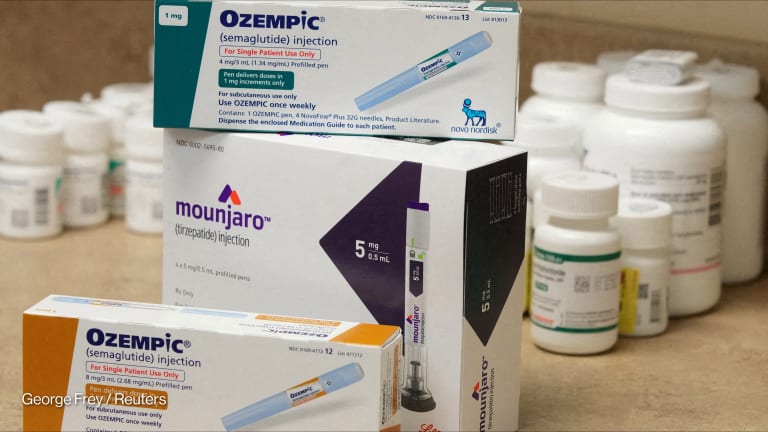
    Global HealthRelated Stories - Ozempic generics are coming. But will low-income countries benefit?

    Ozempic generics are coming. But will low-income countries benefit?

    Sponsored by Philips and RocheRelated Stories - Invest in diagnostics to win the health fight

    Invest in diagnostics to win the health fight

    The Future of Global HealthRelated Stories - 3 key global health leadership changes to watch

    3 key global health leadership changes to watch

    Global HealthRelated Stories - How a free health insurance pilot is taking on medical debt in Africa

    How a free health insurance pilot is taking on medical debt in Africa

    Most Read

    • 1
      The silent, growing CKD epidemic signals action is needed today
    • 2
      Why capital without knowledge-sharing won't solve the NCD crisis
    • 3
      Innovation meets impact: Fighting malaria in a warming world
    • 4
      Inside Amazon’s human rights journey
    • 5
      Trump withdraws, defunds dozens of international orgs and treaties
    • News
    • Jobs
    • Funding
    • Talent
    • Events

    Devex is the media platform for the global development community.

    A social enterprise, we connect and inform over 1.3 million development, health, humanitarian, and sustainability professionals through news, business intelligence, and funding & career opportunities so you can do more good for more people. We invite you to join us.

    • About us
    • Membership
    • Newsletters
    • Advertising partnerships
    • Devex Talent Solutions
    • Post a job
    • Careers at Devex
    • Contact us
    © Copyright 2000 - 2026 Devex|User Agreement|Privacy Statement