
Opinion: How to address the silent mental health epidemic in Africa
By Richard Kambarangwe // 20 December 2023
Across the African continent, mental health remains shrouded in a veil of silence and stigma. This silence is a powerful barrier to addressing the pervasiveness of mental health issues, which, according to the World Health Organization, affect one in four people worldwide. In Africa, this burden is particularly acute, with young individuals twice as vulnerable as adults. Integrating health services and investing in comprehensive strategies is key to changing how mental health is thought of and treated across the continent. The roots of mental health challenges in Africa are complex and multifaceted, stemming from a combination of factors, including exposure to trauma and violence, poverty, limited access to mental health care, and a profound lack of understanding and acceptance of mental health issues. The continent's rapid urbanization adds another layer of complexity, as individuals are often uprooted from their traditional support systems and exposed to new stresses and challenges. The language we use to describe mental health also contributes to the stigma surrounding these issues. In many African communities, mental illness is often associated with derogatory terms such as “kichaa”, or crazy person, in Tanzania, perpetuating negative stereotypes and hindering open dialogue about mental health. Addressing the existing antagonism To effectively address the mental health crisis in Africa, we must first decolonize our understanding of mental health. In many African communities, particularly in rural areas, mental health is primarily attributed to cultural beliefs and religious practices, rather than being recognized as a biological and social issue. This perspective leads to the misconception that mental health is not a medical condition like malaria or tuberculosis, further perpetuating stigma and limiting access to appropriate care. It is important to consider the cultural dynamics that may influence societal understanding of the best approach to mental health issues. For example, addressing depression through group friendships and social support networks can be effective in rural African Bantu communities, as they traditionally value strong social connections. Additionally, talk therapy and incorporating African spirituality and religious aspects into therapy can be helpful, as these practices are often deeply embedded in African culture. Collaboration and integration in health systems Integrating mental health services into primary health systems is critical to achieving health equity and ensuring comprehensive care for all. However, it is also vital to create an effective collaboration between traditional healers and biomedical practitioners. Collaboration between traditional healers and biomedical health care can provide effective paths for referral mechanisms, especially when there are cases that need more medical attention. Integrating mental health in HIV/AIDS programs is crucial in advancing efforts to combat both deadly diseases. Research indicates a higher prevalence of mental health disorders among people living with HIV, or PLHIV, particularly depression, with a 24% prevalence in sub-Saharan Africa compared to 3% among those without HIV. Therefore, the intertwined relationship between HIV/AIDS and mental health underscores the urgency of addressing the twin challenges concurrently. Breaking an epidemic of silence Breaking the silence surrounding mental health in Africa requires a multipronged approach that includes: • Promoting mental health education in schools: Engaging young students in interactive and engaging social classes and clubs can raise awareness about mental health issues and address the stigma that is socially constructed from an early age. • Developing workplace mental health policies: Employers should implement mental health policies that prioritize prevention and foster a culture of open communication about mental health. • Encouraging open discussions about mental health within families: Families should be encouraged to talk openly about mental health to dismantle the stigma that pervades daily social life. • Integrating mental health services in other health services: This should be specifically targeted in HIV/AIDS programs, especially in most affected communities. By addressing the mental health crisis in Africa with urgency and comprehensive strategies, we can create a healthier and more equitable future for all Africans.


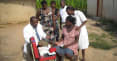
Across the African continent, mental health remains shrouded in a veil of silence and stigma.
This silence is a powerful barrier to addressing the pervasiveness of mental health issues, which, according to the World Health Organization, affect one in four people worldwide. In Africa, this burden is particularly acute, with young individuals twice as vulnerable as adults.
Integrating health services and investing in comprehensive strategies is key to changing how mental health is thought of and treated across the continent.
Printing articles to share with others is a breach of our terms and conditions and copyright policy. Please use the sharing options on the left side of the article. Devex Pro members may share up to 10 articles per month using the Pro share tool ( ).
About the author

Richard Kambarangwe
Richard Kambarangwe serves as communication and community engagement and advocacy adviser on violence against children survey at Tanzania Health Promotion Support. He is also a recent Fulbright Humphrey fellow alumnus from Emory University and a fellow at the division of Global HIV/TB, Atlanta, U.S. He is also a recent recipient of the U.S. Department of State alumni impact award grant on youth resilient actions on climate change and mental in Tanzania. Richard has over 10 years of experience in public health space programs, research, and policy.
Search for articles


Most Read
- 1
- 2
- 3
- 4
- 5