
• News
    • Latest news
    • News search
    • Health
    • Finance
    • Food
    • Career news
    • Content series
    • Focus areas
    • Try Devex Pro
  • Jobs
    • Job search
    • Post a job
    • Employer search
    • CV Writing
    • Upcoming career events
    • Try Career Account
  • Funding
    • Funding search
    • Funding news
  • Talent
    • Candidate search
    • Devex Talent Solutions
  • Events
    • Upcoming and past events
    • Partner on an event
  • Post a job
  • About
      • About us
      • Membership
      • Newsletters
      • Advertising partnerships
      • Devex Talent Solutions
      • Contact us
Join DevexSign in
Join DevexSign in

News

  • Latest news
  • News search
  • Health
  • Finance
  • Food
  • Career news
  • Content series
  • Focus areas
  • Try Devex Pro

Jobs

  • Job search
  • Post a job
  • Employer search
  • CV Writing
  • Upcoming career events
  • Try Career Account

Funding

  • Funding search
  • Funding news

Talent

  • Candidate search
  • Devex Talent Solutions

Events

  • Upcoming and past events
  • Partner on an event
Post a job

About

  • About us
  • Membership
  • Newsletters
  • Advertising partnerships
  • Devex Talent Solutions
  • Contact us
  • My Devex
  • Update my profile % complete
  • Account & privacy settings
  • My saved jobs
  • Manage newsletters
  • Support
  • Sign out
Latest newsNews searchHealthFinanceFoodCareer newsContent seriesFocus areasTry Devex Pro
    • Opinion
    • Babatunde Osotimehin on the Ebola crisis

    Urgent needs and participation of women must be prioritized in Ebola response

    As the world ramps up its response to the escalating Ebola crisis, women are being disproportionately affected, and their needs and participation should be prioritized. An exclusive commentary by UNFPA Executive Director Babatunde Osotimehin.

    By Babatunde Osotimehin // 03 October 2014
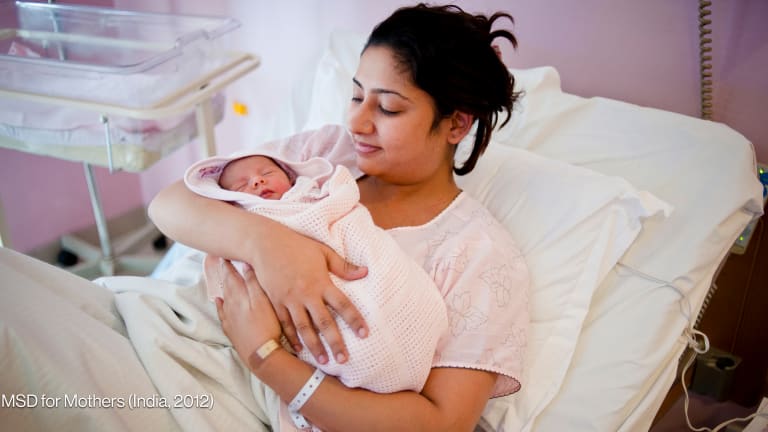
    The Ebola outbreak has already claimed thousands of lives, including health workers, undermining human development and all sectors of society. A concerted response is underway to respond to the needs of all people who are affected. And we cannot forget the needs of women and mothers. It is estimated that more than 600,000 women in the three hardest-hit countries of Guinea, Liberia and Sierra Leone will give birth during the next 12 months. In addition, more than 1 million women who were using modern contraception can no longer receive these services. As the world ramps up its response to the escalating Ebola crisis, women are being disproportionately affected, and their needs and participation should be prioritized in the response. Because women are caring for, feeding and bathing loved ones who are infected, working as front-line health workers, preparing bodies for burial and in need of reproductive health services, they are exposed to and infected by Ebola at higher rates than men. The combination of overwhelmed and collapsing health systems, widespread panic, and quarantine have left pregnant women and women seeking family planning with nowhere to turn. Pregnant women are faced with the double fear of dying from Ebola and during childbirth. Gains made over the past few years in maternal and reproductive health are being reversed. And innovative ways are needed to protect every individual’s right to health. In Guinea, Liberia and Sierra Leone, doctors report an increase in pregnant women dying from preventable causes, including antepartum and postpartum hemorrhage, ruptured uterus and hypertensive disease. According to preliminary data in Liberia, the percentage of deliveries assisted by skilled birth attendants has gone from bad to worse. Figures from May through August show that only 38 percent of pregnant women sought skilled birth attendance, down from 52 percent in 2013. Only 25 percent of mothers received postnatal care compared with 43 percent in 2012, and 40 percent of mothers received the recommended four antenatal care visits before delivery, down from 65 percent of pregnant women last year. In the most affected district in Guinea, delivery assistance has been reduced by one-third, antenatal consultations have declined by half and the use of family planning has dropped by 88 percent over the past year, putting women in jeopardy and increasing the likelihood of unintended pregnancy at a time of distress and catastrophe. The utilization of health services further declined in September as the disease continued to spread. As of Sept. 25, at least 2,909 people had died of Ebola in Guinea, Liberia and Sierra Leone from 6,242 cases reported by health ministries, according to a World Health Organization report. Nigeria and Senegal have recorded a total of eight fatalities and 21 infections. Advance teams of the U.N. Mission for Ebola Emergency Response, the first-ever public health U.N. mission, arrived in West Africa in the fall. Other teams are expected to follow soon. A dedicated trust fund is also set up to ensure a coherent U.N. system contribution to the overall response. UNFPA is supplying emergency reproductive health kits, including clean delivery kits, to pregnant women who cannot get to clinics; drugs and equipment are also brought to health facilities, midwives and communities. These kits contain the medical supplies required to manage safe deliveries and to address possible complications. Since health facilities are overstretched or abandoned, we are mobilizing retired midwives for delivery care at the community level and sending shipments of condoms to prevent unintended pregnancy, sexually transmitted infections and the transmission of Ebola. We have delivered protective equipment such as medical gloves to facilitate safe delivery while protecting health workers from possible infection, disinfectants, heavy-duty aprons, as well as hand-washing equipment. While immediate action is required to save lives, long-term investment is needed to significantly strengthen health systems and rapid response systems at all levels, with the full participation of women, men and youth to deal with the increasingly frequent and devastating emergencies that characterize our time. Join the Devex community and access more in-depth analysis, breaking news and business advice — and a host of other services — on international development, humanitarian aid and global health.

    The Ebola outbreak has already claimed thousands of lives, including health workers, undermining human development and all sectors of society. A concerted response is underway to respond to the needs of all people who are affected. And we cannot forget the needs of women and mothers.

    It is estimated that more than 600,000 women in the three hardest-hit countries of Guinea, Liberia and Sierra Leone will give birth during the next 12 months. In addition, more than 1 million women who were using modern contraception can no longer receive these services.

    As the world ramps up its response to the escalating Ebola crisis, women are being disproportionately affected, and their needs and participation should be prioritized in the response. Because women are caring for, feeding and bathing loved ones who are infected, working as front-line health workers, preparing bodies for burial and in need of reproductive health services, they are exposed to and infected by Ebola at higher rates than men.

    This article is free to read - just register or sign in

    Access news, newsletters, events and more.

    Join usSign in
    • Global Health
    • Social/Inclusive Development
    Printing articles to share with others is a breach of our terms and conditions and copyright policy. Please use the sharing options on the left side of the article. Devex Pro members may share up to 10 articles per month using the Pro share tool ( ).
    The views in this opinion piece do not necessarily reflect Devex's editorial views.

    About the author

    • Babatunde Osotimehin

      Babatunde Osotimehin

      Dr. Babatunde Osotimehin is executive director of the U.N. Population Fund since January 2011. A renowned physician and public health expert, he was previously Nigerian minister of health and director-general of the country’s agency on AIDS. At UNFPA, Babatunde supervises efforts to promote the rights and ability of young people to build a better world in the context of sexual and reproductive health.

    Search for articles
    Most Read

    • 1
      Why NTDs are a prime investment for philanthropy
    • 2
      The silent, growing CKD epidemic signals action is needed today
    • 3
      Trump withdraws, defunds dozens of international orgs and treaties
    • 4
      Why are 3.4 billion people still offline?
    • 5
      US lawmakers strike $50B foreign assistance deal, surpassing Trump's plan
    • News
    • Jobs
    • Funding
    • Talent
    • Events

    Devex is the media platform for the global development community.

    A social enterprise, we connect and inform over 1.3 million development, health, humanitarian, and sustainability professionals through news, business intelligence, and funding & career opportunities so you can do more good for more people. We invite you to join us.

    • About us
    • Membership
    • Newsletters
    • Advertising partnerships
    • Devex Talent Solutions
    • Post a job
    • Careers at Devex
    • Contact us
    © Copyright 2000 - 2026 Devex|User Agreement|Privacy Statement