• News
    • Latest news
    • News search
    • Health
    • Finance
    • Food
    • Career news
    • Content series
    • Focus areas
    • Try Devex Pro
  • Jobs
    • Job search
    • Post a job
    • Employer search
    • CV Writing
    • Upcoming career events
    • Try Career Account
  • Funding
    • Funding search
    • Funding news
  • Talent
    • Candidate search
    • Devex Talent Solutions
  • Events
    • Upcoming and past events
    • Partner on an event
  • Post a job
  • About
      • About us
      • Membership
      • Newsletters
      • Advertising partnerships
      • Devex Talent Solutions
      • Contact us
Join DevexSign in
Join DevexSign in

News

  • Latest news
  • News search
  • Health
  • Finance
  • Food
  • Career news
  • Content series
  • Focus areas
  • Try Devex Pro

Jobs

  • Job search
  • Post a job
  • Employer search
  • CV Writing
  • Upcoming career events
  • Try Career Account

Funding

  • Funding search
  • Funding news

Talent

  • Candidate search
  • Devex Talent Solutions

Events

  • Upcoming and past events
  • Partner on an event
Post a job

About

  • About us
  • Membership
  • Newsletters
  • Advertising partnerships
  • Devex Talent Solutions
  • Contact us
  • My Devex
  • Update my profile % complete
  • Account & privacy settings
  • My saved jobs
  • Manage newsletters
  • Support
  • Sign out
Latest newsNews searchHealthFinanceFoodCareer newsContent seriesFocus areasTry Devex Pro
    • News
    • In the news: USAID

    House appropriators set to advance foreign aid cuts

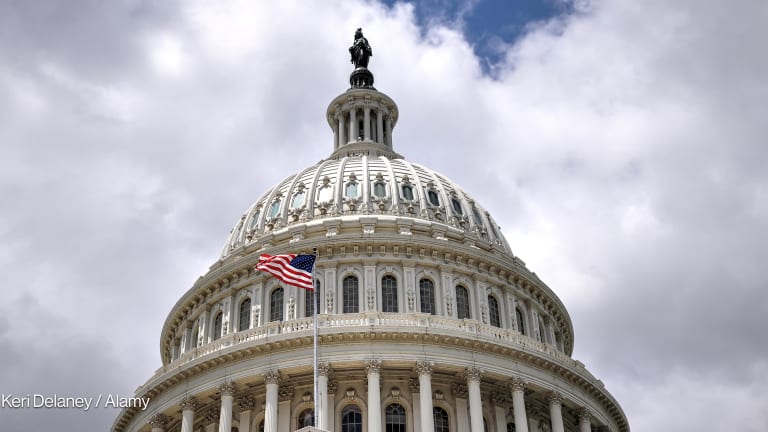
    The fate of USAID’s budget for fiscal 2014 will become clearer on Tuesday, when the House Appropriations Committee debates its spending blueprint for international affairs and other government functions.

    By John Alliage Morales // 21 May 2013

    Related Stories

    Devex Newswire: Clashes on Capitol Hill over America’s aid future
    Devex Newswire: Clashes on Capitol Hill over America’s aid future
    US House committee debates DFC reauthorization
    US House committee debates DFC reauthorization
    State Department employees in anxious limbo over massive staff cuts
    State Department employees in anxious limbo over massive staff cuts
    Devex Pro Insider: How Trump broke the foreign aid budget process
    Devex Pro Insider: How Trump broke the foreign aid budget process
    Rajiv Shah, administrator of the U.S. Agency for International Development. Photo by: USAID / CC BY-NC

    The fate of USAID’s budget for fiscal 2014 will become clearer on Tuesday, when the House Appropriations Committee debates its spending blueprint for international affairs and other government functions.

    Initial information emanating from Capitol Hill, according to think tank U.S. Global Leadership Coalition, “confirms, as anticipated, [that] the House is calling for deep cuts to most non-defense discretionary programs, including the International Affairs budget.”

    Tuesday’s hearing provides the start of what promises to be a contentious budget season, with lawmakers in the House of Representatives and Senate expected to take widely different approaches to funding areas of diplomacy, development and defense.

    House Republicans insist on putting a spending limit at $966 billion for non-defense programs next year – “$91 billion below the cap permitted in the Budget Control Act for 2014,” according to USGLC. The spending level contains the impact of sequestration.

    In the Senate, however, Democrats are pushing for scrapping the sequester and instead set spending at $1.058 trillion, a limit closer to the amount requested by President Barack Obama. Senate appropriations chair Sen. Barbara Mikulski is set to meet this week with subcommittee chairpersons to go over the amounts each sub-group will receive from the basket of funding. The Senate is expected to vote on its subcommittee allocations in June.

    The difference between the two initial proposals of some $92 billion could complicate the approval of a 2014 budget.

    Budget in peril

    After Obama sent his budget request, both chambers drew up their own plans, known as budget resolutions, each with different spending levels. House conservatives reject the president’s deficit-cutting plan, preferring to reduce funding for entitlement programs like Medicaid without tax increases. Most Senate Democrats, meanwhile, tend to agree with Obama’s two-pronged solution to deficit reduction: cutting programs like Medicaid and raising taxes on the rich.

    If lawmakers can’t agree on a budget, they may resort to funding government through a continuing resolution, which would extend government funding at current levels and can buy time for Congress and the White House to agree on some deficit-reduction scheme.

    “Barring agreement on a grand bargain budget deal, a continuing resolution for fiscal year 2014 will be needed again this year,” noted USGLC.

    Part of the agenda for Tuesday’s hearing is the report on the 302(b) suballocation – the topline spending envelope set by the House for fiscal 2014 that will be distributed to subcommittees to flesh out funding for various goverment functions. The budget for development assistance falls under International Affairs, part of the state-foreign appropriations bill.

    House Republicans want to provide $40.6 bllion for state-foreign operations – 19 percent ($9.5 billion) below both current fiscal 2013 levels (post-sequestration) and the president’s fiscal 2014 request, according to USGLC.

    In the coming weeks, USGLC predicts, House and Senate appropriators will move bills before fiscal 2014 begins on Oct. 1, but likely debate on diverging priorities on the floor. Republican leaders in the House will seek to prioritize defense, homeland security and military construction/veterans affairs bills, leaving less time for other appropriations bills.

    No budget law last year

    Last year, the House approved seven of 12 appropriations bills, but the Senate sat on these. Neither congressional chamber acted on the state-foreign operations bill.

    Congress in the end failed to pass a budget for fiscal 2013, and instead opted to keep government running through continuing resolutions. In March, through a process called sequestration, $85 billion in across-government cuts began to take effect in accordance with a deficit-cutting deal reached last year by the White House and Republican leadership.

    Read more on U.S. aid reform online, and subscribe to The Development Newswire to receive top international development headlines from the world’s leading donors, news sources and opinion leaders — emailed to you FREE every business day.

    • Funding
    • Trade & Policy
    • Democracy, Human Rights & Governance
    Printing articles to share with others is a breach of our terms and conditions and copyright policy. Please use the sharing options on the left side of the article. Devex Pro members may share up to 10 articles per month using the Pro share tool ( ).

    About the author

    • John Alliage Morales

      John Alliage Morales

      As a former Devex staff writer, John Alliage Morales covered the Americas, focusing on the world's top donor hub, Washington, and its aid community. Prior to joining Devex, John worked for a variety of news outlets including GMA, the Philippine TV network, where he conducted interviews, analyzed data, and produced in-depth stories on development and other topics.

    Search for articles
    Related Stories

    Devex NewswireRelated Stories - Devex Newswire: Clashes on Capitol Hill over America’s aid future

    Devex Newswire: Clashes on Capitol Hill over America’s aid future

    Development FinanceRelated Stories - US House committee debates DFC reauthorization

    US House committee debates DFC reauthorization

    the trump effectRelated Stories - State Department employees in anxious limbo over massive staff cuts

    State Department employees in anxious limbo over massive staff cuts

    Devex Pro InsiderRelated Stories - Devex Pro Insider: How Trump broke the foreign aid budget process

    Devex Pro Insider: How Trump broke the foreign aid budget process

    Most Read

    • 1
      Building hope to bridge the surgical access gap
    • 2
      Innovation meets impact: Fighting malaria in a warming world
    • 3
      Turning commitments into action: Financing a healthier future after HLM4
    • 4
      Why women’s health innovation needs long-term investment
    • 5
      How country-led ecosystems drive sustainable health impact
    • News
    • Jobs
    • Funding
    • Talent
    • Events

    Devex is the media platform for the global development community.

    A social enterprise, we connect and inform over 1.3 million development, health, humanitarian, and sustainability professionals through news, business intelligence, and funding & career opportunities so you can do more good for more people. We invite you to join us.

    • About us
    • Membership
    • Newsletters
    • Advertising partnerships
    • Devex Talent Solutions
    • Post a job
    • Careers at Devex
    • Contact us
    © Copyright 2000 - 2025 Devex|User Agreement|Privacy Statement