

Andrew Wainer @AndrewWainer
Latest Articles

Development impact bonds could be part of the solution to financing child survival
over 10 years ago // Andrew Wainer on innovative finance
Great strides have been made to reduce preventable child deaths but to eliminate them completely, new financing sources are critical. USAID's new framework and the introduction of a new bill are hopeful signs that the U.S. government is embracing much-needed innovative financing approaches, Save the Children's policy research director writes in this guest op-ed.

Why immigrants emigrate: U.S. foreign assistance and migration policy
over 12 years ago // Contributor: Andrew Wainer
Lawmakers are debating a major overhaul of U.S. immigration policy, but overlooking poverty or lack of opportunities. Andrew Wainer, senior analyst at the Bread for the World Institute, discusses how to integrate immigration and development policies to address those root causes in this exclusive opinion for Devex.
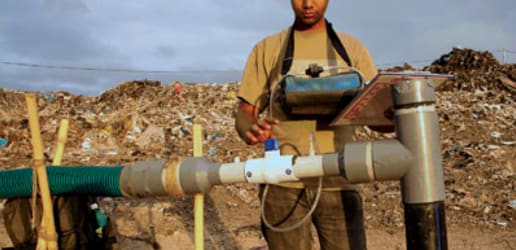
Global development partnership pushes methane reduction
almost 16 years ago
The Methane to Markets Partnership offers networking opportunities and grants to organizations with innovative plans to spur development while cutting and reusing a pollutant more dangerous than carbon dioxide.

Fintrac offers agribusiness know-how and subcontracts
about 16 years ago
Fintrac links growers and buyers to promote agricultural development, primarily in Central America and Africa. It provides long-term technical assistance to agribusinesses and subcontracts projects to local organizations.
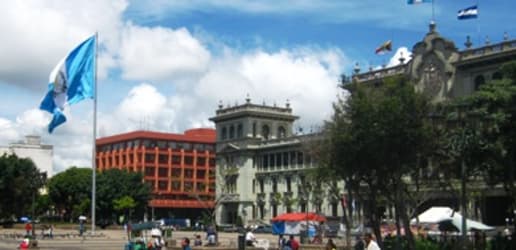
Development Business in Guatemala: What You Need to Know
about 16 years ago
After a long slump, development funding for Guatemala is expected to increase. Key donors such as Europe, the U.S. and Japan focus much of their work on good governance and security.
Development jobs in Guatemala: Tips for expats
about 16 years ago // Career Advice
Paid positions for foreigners are scarce, so the best way to penetrate the development job market is through volunteering or taking on internships.

Guatemala City for business travelers: A city profile
about 16 years ago
Planning a business trip – or a move – to Guatemala’s capital? Here’s where to stay, live, eat, entertain, and meet fellow development workers.
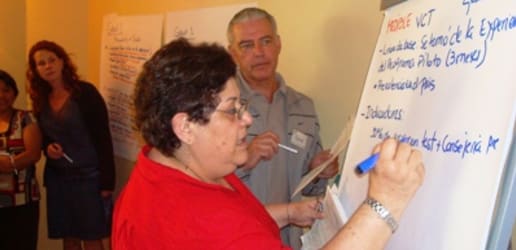
Guatemala’s public health pains
about 16 years ago
Pilar Sebastian, who leads Population Services International in Guatemala, discusses how the organization works to improve public health in a country that is unable to even feed its whole population.
‘At some point, the country has to look for new options’
about 16 years ago
Guatemala native Borys Chinchilla shares his perspective on development challenges and current funding trends in Guatemala, where he leads the Mercy Corps country office.
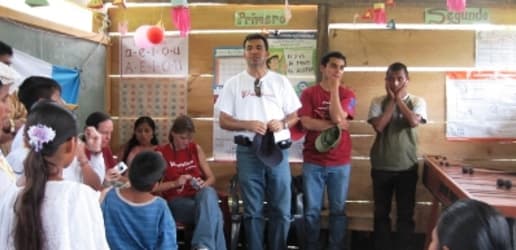
Global aid agency goes local in Guatemala
about 16 years ago
Mercy Corps relies on local leadership to run its Guatemala programs. Country Representative Borys Chinchilla discusses why the U.S. organization bases its country operations outside the capital city.