

Stephen Hall
Latest Articles
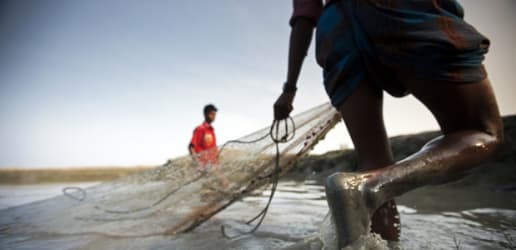
Can global fisheries yield more?
almost 12 years ago // Contributor: Stephen Hall
Despite decades of overfishing, we still haven't reached the limits of what the oceans can provide to feed the developing world. WorldFish Director General Stephen Hall explains how in a guest opinion after last week's Global Oceans Action Summit for Food Security and Blue Growth.

How aid can support sustainable fisheries for a food-secure world
over 12 years ago // Contributor: Stephen Hall
Small-scale fishermen supply over half of the catch consumed around the world and support 500 million people. Sustainable fishing is the key to future food security — and the aid community can do much more to help, WorldFish Director General Stephen Hall writes in a guest opinion for Devex on World Fisheries Day.

Rural women feed the world, but cannot feed themselves
over 12 years ago // Contributors: Stephen Hall and Ranjitha Puskur
Today, Oct. 15, is International Rural Women’s Day. In this exclusive editorial, Stephen Hall and Ranjitha Puskur of WorldFish recommend ways on how to create a gender-equitable agriculture.
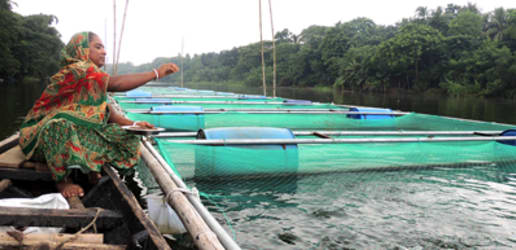
Good fisheries policies help the poor
over 12 years ago // Contributor: Stephen J. Hall
Fish is a key source of nutrition, income and food security for millions of poor and vulnerable people around the world. In an exclusive opinion for Devex, WorldFish Director General Stephen Hall argues that current fisheries policies are “missing the picture” and explains why donors should include this issue in the rural development agenda.