• News
    • Latest news
    • News search
    • Health
    • Finance
    • Food
    • Career news
    • Content series
    • Focus areas
    • Try Devex Pro
  • Jobs
    • Job search
    • Post a job
    • Employer search
    • CV Writing
    • Upcoming career events
    • Try Career Account
  • Funding
    • Funding search
    • Funding news
  • Talent
    • Candidate search
    • Devex Talent Solutions
  • Events
    • Upcoming and past events
    • Partner on an event
  • Post a job
  • About
      • About us
      • Membership
      • Newsletters
      • Advertising partnerships
      • Devex Talent Solutions
      • Contact us
Join DevexSign in
Join DevexSign in

News

  • Latest news
  • News search
  • Health
  • Finance
  • Food
  • Career news
  • Content series
  • Focus areas
  • Try Devex Pro

Jobs

  • Job search
  • Post a job
  • Employer search
  • CV Writing
  • Upcoming career events
  • Try Career Account

Funding

  • Funding search
  • Funding news

Talent

  • Candidate search
  • Devex Talent Solutions

Events

  • Upcoming and past events
  • Partner on an event
Post a job

About

  • About us
  • Membership
  • Newsletters
  • Advertising partnerships
  • Devex Talent Solutions
  • Contact us
  • My Devex
  • Update my profile % complete
  • Account & privacy settings
  • My saved jobs
  • Manage newsletters
  • Support
  • Sign out
Latest newsNews searchHealthFinanceFoodCareer newsContent seriesFocus areasTry Devex Pro
    • News
    • Philanthropy

    Global giving tracking could be key to reaching UN goals: Report

    A new global giving report shows the need for the philanthropy sector to adopt international standards for tracking cross-border donations.

    By Stephanie Beasley // 24 April 2023
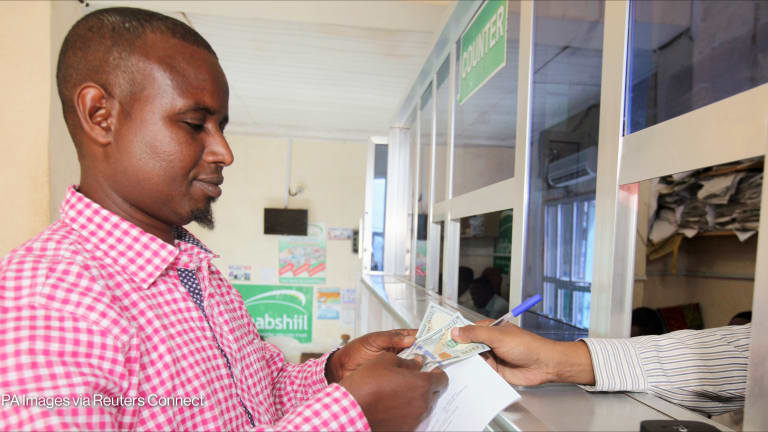
    There should be international standards for tracking cross-border giving to allow for a clearer picture of how philanthropists help achieve the United Nations’ Sustainable Development Goals, according to new research. “Common standards” for tracking and sharing data on charitable giving to causes such as climate change, racial justice, and equality for women and girls would allow governments to see where they can partner with the philanthropic sector to achieve the SDGs, according to a global philanthropy tracker report from Indiana University. The report was released Thursday. It specifically examines cross-border giving. The report found that $70 billion flowed out of 47 countries of “varying levels of economic development” and from every world region in 2020, the most recent year for which data was available. It also looked at other cross-border flows of money, including official development assistance, private capital investment, and remittances sent by individuals back to their home countries or familial homelands. When it comes to data on all of these outflows of money, private philanthropy is probably the least understood, said Una Osili, the associate dean for research and international programs at IU’s Lilly Family School of Philanthropy. One aim of the report is to show how international philanthropy data standards might help civil societies, governments, businesses, and individual funders better collaborate to address societal issues worldwide. “Better data will inform better policy- and decision-making,” a press release for the report reads. The development of standards for tracing global giving would allow both funders and policymakers to see where private philanthropy dollars go and how they might complement official development assistance, the research suggests. Improved international tracking standards also could reveal funding “gaps” and help philanthropists interested in supporting the SDGs to better target their giving to help accomplish those goals, Osili told Devex in an interview. But the challenge is figuring out how those tracking standards might be broadly adopted, she said. When it comes to foreign direct investment or official development aid there are rules in place for countries to report that spending to central bodies either at the national or international level, she noted. “The challenge for the private philanthropy sector more broadly is that there isn’t any one group that is tasked with doing this,” Osili said. South Korea “stands out” as an example of how philanthropy data tracking might be done internationally, she said. The country has created standards for foundations giving cross-border donations to report and identify where those funds are going. As a result, it has been easier to see whether areas such as climate or global health are receiving lots of funding and also to see where private philanthropy dollars are not going, Osili said. “This becomes really important because there are some funders who want to know how much money is going to something,” she said. That information allows them to make decisions about how they can give in a way that might “move the needle” for certain causes, she added. Global development funding has evolved quite a lot in the past few decades, Osili said. It used to be that “ODA was pretty much the name of the game,” but now there is a “much more complex reality” that involves private remittances and private philanthropy from funders such as the Bill & Melinda Gates Foundation playing a bigger role in funding global development causes, she said. The $70 billion in philanthropic contributions identified in the report represented 8% of all the financial resources flowing across borders in 2020, which included ODA, private capital investment, and remittances. “I think especially when you think about SDGs and funding gaps and all of the resources that can be brought to bear, that involves putting philanthropy on the radar and also bringing private philanthropy to the table,” Osili said. In places such as the United States, agencies such as USAID and the State Department are thinking about how they can work with local, national, and international funders “on certain challenges” and better data will help them determine how best to do that, she said. The report’s other tips for ensuring global philanthropy can better meet current and future challenges, such as the COVID-19 pandemic, included a recommendation for global and regional funders to provide more support for local grassroots organizations that can respond to crises quickly on the ground. It also encouraged philanthropists to engage with nontraditional vehicles for giving, such as online crowdfunding platforms and global funds such as the World Health Organization’s COVID-19 Solidarity Response Fund to help their money reach local communities more efficiently.

    Related Stories

    How restrictive laws and hostile politics harm global philanthropy
    How restrictive laws and hostile politics harm global philanthropy
    RemitHope looks to diaspora giving to fill Africa’s widening funding gap
    RemitHope looks to diaspora giving to fill Africa’s widening funding gap
    Devex Newswire: As aid organizations mull mergers, some words of wisdom
    Devex Newswire: As aid organizations mull mergers, some words of wisdom
    Corporate philanthropy surges, led by pharma giants
    Corporate philanthropy surges, led by pharma giants

    There should be international standards for tracking cross-border giving to allow for a clearer picture of how philanthropists help achieve the United Nations’ Sustainable Development Goals, according to new research.

    “Common standards” for tracking and sharing data on charitable giving to causes such as climate change, racial justice, and equality for women and girls would allow governments to see where they can partner with the philanthropic sector to achieve the SDGs, according to a global philanthropy tracker report from Indiana University. The report was released Thursday.

    It specifically examines cross-border giving. The report found that $70 billion flowed out of 47 countries of “varying levels of economic development” and from every world region in 2020, the most recent year for which data was available. It also looked at other cross-border flows of money, including official development assistance, private capital investment, and remittances sent by individuals back to their home countries or familial homelands.

    This article is free to read - just register or sign in

    Access news, newsletters, events and more.

    Join usSign in
    • Funding
    • Humanitarian Aid
    • Trade & Policy
    • Gates Foundation
    Printing articles to share with others is a breach of our terms and conditions and copyright policy. Please use the sharing options on the left side of the article. Devex Pro members may share up to 10 articles per month using the Pro share tool ( ).

    About the author

    • Stephanie Beasley

      Stephanie Beasley@Steph_Beasley

      Stephanie Beasley is a Senior Reporter at Devex, where she covers global philanthropy with a focus on regulations and policy. She is an alumna of the UC Berkeley Graduate School of Journalism and Oberlin College and has a background in Latin American studies. She previously covered transportation security at POLITICO.

    Search for articles
    Related Stories

    PhilanthropyRelated Stories - How restrictive laws and hostile politics harm global philanthropy

    How restrictive laws and hostile politics harm global philanthropy

    PhilanthropyRelated Stories - RemitHope looks to diaspora giving to fill Africa’s widening funding gap

    RemitHope looks to diaspora giving to fill Africa’s widening funding gap

    Devex NewswireRelated Stories - Devex Newswire: As aid organizations mull mergers, some words of wisdom

    Devex Newswire: As aid organizations mull mergers, some words of wisdom

    PhilanthropyRelated Stories - Corporate philanthropy surges, led by pharma giants

    Corporate philanthropy surges, led by pharma giants

    Most Read

    • 1
      Invest in diagnostics to win the health fight
    • 2
      Building stronger primary care to tackle NCDs and mental health
    • 3
      Future forward: Closing infrastructure gaps for climate innovation
    • 4
      Investing in opportunity: How venture capital powers social impact
    • 5
      Meet the innovators closing persistent gaps in women's health
    • News
    • Jobs
    • Funding
    • Talent
    • Events

    Devex is the media platform for the global development community.

    A social enterprise, we connect and inform over 1.3 million development, health, humanitarian, and sustainability professionals through news, business intelligence, and funding & career opportunities so you can do more good for more people. We invite you to join us.

    • About us
    • Membership
    • Newsletters
    • Advertising partnerships
    • Devex Talent Solutions
    • Post a job
    • Careers at Devex
    • Contact us
    © Copyright 2000 - 2025 Devex|User Agreement|Privacy Statement