Opinion: G-7 meeting is opportunity to prioritize African debt relief
"We do not have a supportive and predictable debt reduction system for countries in need," Nigerian Archbishop Alfred Adewale Martins writes, calling on the upcoming G-7 leaders' meetings to prioritize debt relief mechanisms for the African continent.
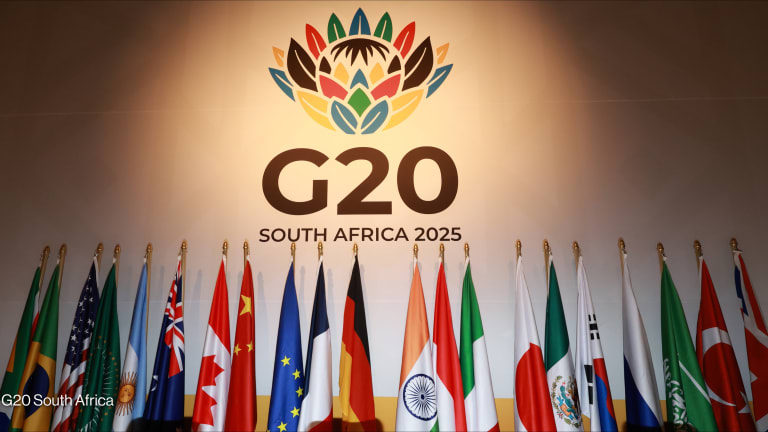
As Group of Seven leaders meet this week in Hiroshima, Japan, concerted action to prioritize an African debt relief response from the international community can send a message that, even in a deeply fractured world, Africa will not fall casualty to paralysis and inaction. It is hard to think of a region where the COVID-19 pandemic, war in Ukraine, food, and climate challenges overlap in a more desperate way, and where budget space to face them is long lost. The first priority is to decisively tackle the debt burden that hamstrings the region. Although at least 23 countries are in dire need of debt relief in Africa, only four of them requested it. The rest continue paying at the expense of investments in poverty reduction and climate action. This is because we do not have a supportive and predictable debt reduction system for countries in need. Improving the common debt framework The Group of 20 Common Framework for Debt Treatments, launched two and half years ago, suffers from slow and unpredictable timeframes, cumbersome procedures, and lack of private creditor involvement. As a result, borrowers fear they will not be spared the chaos should they default — or seek a restructuring without defaulting, which should be a better path. The G-20 Presidency, International Monetary Fund, and World Bank initiated a Global Sovereign Debt Roundtable to bridge consensus on disagreements that limit the common framework. On the private debt front, G-7 domestic legislations would be enough to prevent private creditor lawsuits from undermining international debt relief deals. African Finance Ministers, the chiefs of the IMF, and the World Bank agree on the need for such legislation. A bill pending in New York, the Taxpayer and International Debt Crises Protection Act, offers a way forward, and the full G-7 should agree to advance similar legislation. The World Bank to spearhead MDB reforms Second, multilateral development banks are extraordinary tools to finance human development and climate, especially in times of crises when other lenders shut their access. Their capacity to offer low-cost, long-term funds has no match. However, to increase funding at the scale needed to effectively meet the present challenges, multilateral banks will have to receive higher resource contributions from members, and change the policies and rules that govern capital use. At the World Bank, this year is critical to pass reforms that can increase lending and, if it can do it, chances are that other development banks will follow. While shareholders are trying to come to an agreement on ways to increase World Bank lending, they are also considering how to reshape its role, mission, and instruments. There are opportunities, but also risks, in this exercise. As it often happens in financial institutions, the voice of those who contribute more funds tends to sound louder. It would be a mistake to let that happen. We expect African leaders and their full societies to be part of the debate on the future of the World Bank and make the case for that highest-ambition scenario in funding and how it will translate into vibrant, inclusive economies that meet everybody’s needs. World Bank reform should not be a one-off event, but open more avenues for feedback and learning from those most affected by the bank’s policies and greater accountability. Greater incentives for strengthening country-level, bottom-up processes for citizen participation and accountability can be embedded in transformed instruments for lending. In regards to the bank’s mission, it is natural that it keeps changing in tune with our awareness of global challenges that threaten poverty and development in each country. But mission changes should not come at the expense of existing poverty reduction and development priorities in the places where they are most pressing. And, keeping in mind that we are trying to exit a crushing debt crisis, the calls for expanding bank support need to meet concerns about instruments that reduce debt risks for African countries. The role of Special Drawing Rights Finally, the G-7 should find ways to expand the use and impact of IMF Special Drawing Rights. Originally designed to act as a support to global reserves, the use of SDRs in the COVID-19 pandemic crisis response intervention showed they can do much more. Indeed, for many countries in Africa, the 2021 SDRs allocation provided a lifeline to pay for social services, vaccines, treatments, and strengthening health systems. This was in spite of the fact that Africa’s allocated share of that $650 billion was only $33 billion. To compensate for the skewed distribution of SDRs, the G-20 targeted a transfer of $100 billion SDRs from high-income to low-income countries, but only about $65 billion in pledges have so far come in. Leaders should urgently mobilize the rest. Moreover, high-income countries can afford to mobilize nearly $400 billion of their SDRs, so there is room for a much bigger target. African countries will be looking at G-7 leaders' actions to gauge whether they are willing to step up their partnership with the continent. Only substantial commitments to an international development finance architecture that supports Africa will meet the threshold.
As Group of Seven leaders meet this week in Hiroshima, Japan, concerted action to prioritize an African debt relief response from the international community can send a message that, even in a deeply fractured world, Africa will not fall casualty to paralysis and inaction.
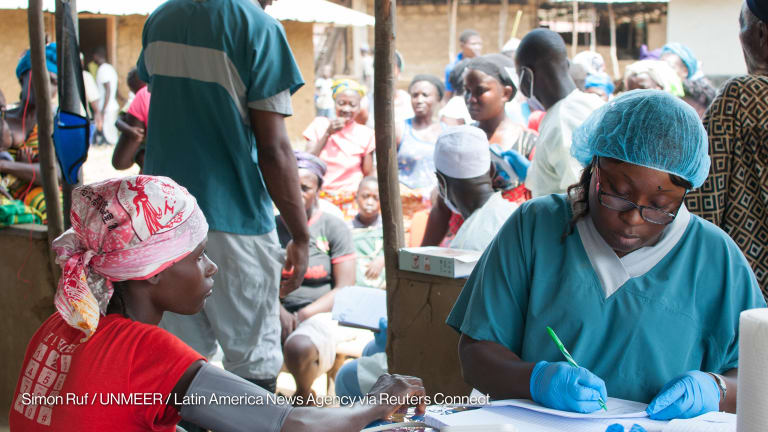
It is hard to think of a region where the COVID-19 pandemic, war in Ukraine, food, and climate challenges overlap in a more desperate way, and where budget space to face them is long lost.
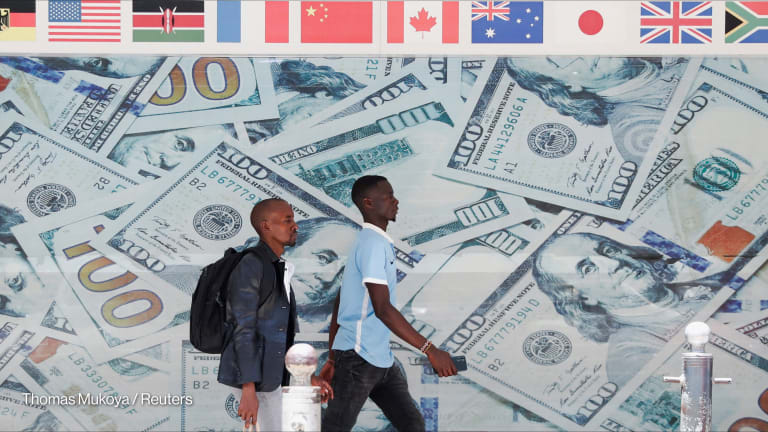
The first priority is to decisively tackle the debt burden that hamstrings the region. Although at least 23 countries are in dire need of debt relief in Africa, only four of them requested it. The rest continue paying at the expense of investments in poverty reduction and climate action. This is because we do not have a supportive and predictable debt reduction system for countries in need.
This article is free to read - just register or sign in
Access news, newsletters, events and more.
Join usSign inPrinting articles to share with others is a breach of our terms and conditions and copyright policy. Please use the sharing options on the left side of the article. Devex Pro members may share up to 10 articles per month using the Pro share tool ( ).
The views in this opinion piece do not necessarily reflect Devex's editorial views.
Most Rev. Alfred Adewale Martins was appointed the first bishop of Abeokuta Diocese in Nigeria in 1997. He was later elevated as archbishop and transferred to the See of Lagos, later becoming the Metropolitan. He studied philosophy for both his master's and doctorate degrees and held several leadership positions in the Nigeria Conference of Catholic Bishops.