• News
    • Latest news
    • News search
    • Health
    • Finance
    • Food
    • Career news
    • Content series
    • Focus areas
    • Try Devex Pro
  • Jobs
    • Job search
    • Post a job
    • Employer search
    • CV Writing
    • Upcoming career events
    • Try Career Account
  • Funding
    • Funding search
    • Funding news
  • Talent
    • Candidate search
    • Devex Talent Solutions
  • Events
    • Upcoming and past events
    • Partner on an event
  • Post a job
  • About
      • About us
      • Membership
      • Newsletters
      • Advertising partnerships
      • Devex Talent Solutions
      • Contact us
Join DevexSign in
Join DevexSign in

News

  • Latest news
  • News search
  • Health
  • Finance
  • Food
  • Career news
  • Content series
  • Focus areas
  • Try Devex Pro

Jobs

  • Job search
  • Post a job
  • Employer search
  • CV Writing
  • Upcoming career events
  • Try Career Account

Funding

  • Funding search
  • Funding news

Talent

  • Candidate search
  • Devex Talent Solutions

Events

  • Upcoming and past events
  • Partner on an event
Post a job

About

  • About us
  • Membership
  • Newsletters
  • Advertising partnerships
  • Devex Talent Solutions
  • Contact us
  • My Devex
  • Update my profile % complete
  • Account & privacy settings
  • My saved jobs
  • Manage newsletters
  • Support
  • Sign out
Latest newsNews searchHealthFinanceFoodCareer newsContent seriesFocus areasTry Devex Pro
    • Career
    • Lifestyle

    What's it like living in South Darfur's UNAMID supercamp?

    Most organizations working in Sudan have country offices in Khartoum, but aid operations are centered in the western Darfur region. Devex's senior reporter Jenny Lei Ravelo provides a glimpse of life in one of three UNAMID supercamps in the area.

    By Jenny Lei Ravelo // 10 November 2015
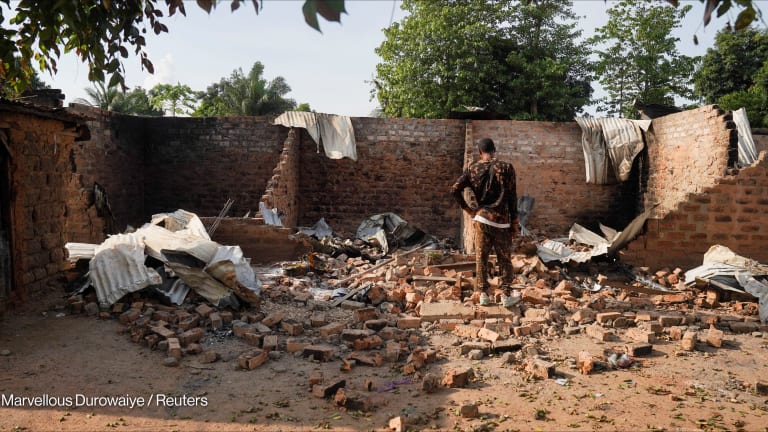
    Despite the bureaucratic hurdles, access denials and restrictions posed on humanitarian movement, Sudan remains one of the most heavily funded humanitarian operations globally. The money requested to be poured into aid efforts in the country — $1.04 billion in funding under the 2015 consolidated United Nations humanitarian response plan — means a continuous demand for professionals to help frame and assist in program design, coordination and implementation. Most organizations have country offices in Khartoum, but aid operations are centered in the Darfur region, with some in South Kordofan and Blue Nile states, as well as Abyei. Unlike in the capital, however, life in Darfur can be limiting for international staff. Movement around the town without escort in Nyala town, for example, is discouraged given the threat of abduction by militia groups looking for quick money, and the risk of armed robbery or carjacking looms if traveling to field locations. U.N. staff members are almost always accompanied by armed escorts, either by the U.N.–African Union Mission in Darfur, or police escorts provided by the government of Sudan. For safety reasons, most aid agencies have their own guesthouses — a compound or building where an organization’s staff members stay throughout their mission, often located within walking distance to an organization’s sub-office. Some international staff members of U.N. aid agencies choose to stay within UNAMID compounds. Apart from acting as barracks for the military and police personnel contributed by different countries to the peacekeeping mission, the compounds are also meant to be used as locations for U.N. agency offices and residence. International NGO staff — as well as internally displaced people — can also have access inside the compound in case of emergencies. There are three UNAMID “supercamps” across the Darfur region. Here’s a look at the one in Nyala in South Darfur. READ: 11 things to know if Sudan is your next duty station What’s your living situation like in Darfur? Share us your experience below. To read additional content on land and property rights, go to Focus On: Land Matters in partnership with Thomson Reuters.

    Related Stories

    The cuts that bleed: What happens when peace programs go dark
    The cuts that bleed: What happens when peace programs go dark

    Despite the bureaucratic hurdles, access denials and restrictions posed on humanitarian movement, Sudan remains one of the most heavily funded humanitarian operations globally.

    The money requested to be poured into aid efforts in the country — $1.04 billion in funding under the 2015 consolidated United Nations humanitarian response plan — means a continuous demand for professionals to help frame and assist in program design, coordination and implementation.

    Most organizations have country offices in Khartoum, but aid operations are centered in the Darfur region, with some in South Kordofan and Blue Nile states, as well as Abyei.

    This article is free to read - just register or sign in

    Access news, newsletters, events and more.

    Join usSign in
    • Humanitarian Aid
    Printing articles to share with others is a breach of our terms and conditions and copyright policy. Please use the sharing options on the left side of the article. Devex Pro members may share up to 10 articles per month using the Pro share tool ( ).

    About the author

    • Jenny Lei Ravelo

      Jenny Lei Ravelo@JennyLeiRavelo

      Jenny Lei Ravelo is a Devex Senior Reporter based in Manila. She covers global health, with a particular focus on the World Health Organization, and other development and humanitarian aid trends in Asia Pacific. Prior to Devex, she wrote for ABS-CBN, one of the largest broadcasting networks in the Philippines, and was a copy editor for various international scientific journals. She received her journalism degree from the University of Santo Tomas.
    Search for articles

    Related Stories

    The Trump effectRelated Stories - The cuts that bleed: What happens when peace programs go dark

    The cuts that bleed: What happens when peace programs go dark

    Most Read

    • 1
      Why NTDs are a prime investment for philanthropy
    • 2
      The silent, growing CKD epidemic signals action is needed today
    • 3
      Trump withdraws, defunds dozens of international orgs and treaties
    • 4
      Why are 3.4 billion people still offline?
    • 5
      Why capital without knowledge-sharing won't solve the NCD crisis
    • News
    • Jobs
    • Funding
    • Talent
    • Events

    Devex is the media platform for the global development community.

    A social enterprise, we connect and inform over 1.3 million development, health, humanitarian, and sustainability professionals through news, business intelligence, and funding & career opportunities so you can do more good for more people. We invite you to join us.

    • About us
    • Membership
    • Newsletters
    • Advertising partnerships
    • Devex Talent Solutions
    • Post a job
    • Careers at Devex
    • Contact us
    © Copyright 2000 - 2026 Devex|User Agreement|Privacy Statement