Why crop diversity is key for the future of food
Opinion: Crop diversity, nurtured over centuries, is eroding fast. A global gathering in Lima, Peru, will determine whether we can safeguard the genetic resources needed to feed future generations.
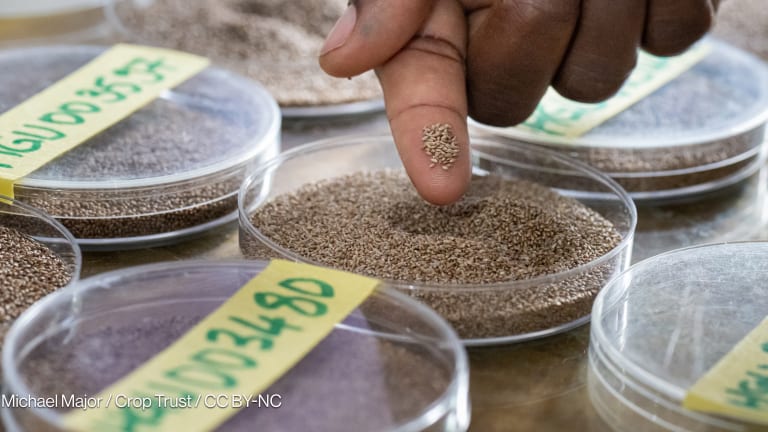
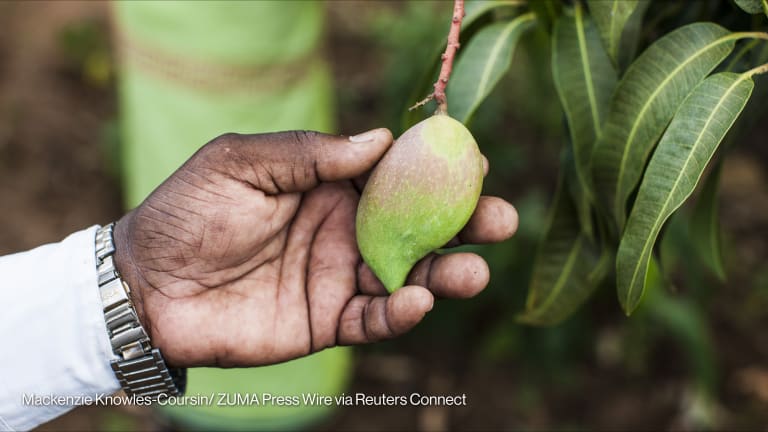
By Alwin Kopse, Kent Nnadozie, Stefan Schmitz // 19 November 2025Amid huge challenges for global food security, one crucial topic will be debated this month in Lima: How do we adapt our crops and seeds for an uncertain future? The stakes could not be higher for the billions of human beings who are most vulnerable to the lack of sufficient, affordable, and nutritious food. From Nov. 24, governments from around the world will gather in Peru’s capital for five days for a critical meeting on the future of our food system. The gathering brings together 154 countries and the European Union to collaborate and cooperate on issues that affect what we eat and how we grow it. Climate change, biodiversity loss, conflict, and economic instability are placing unprecedented pressure on agriculture. The geopolitical environment is undergoing rapid change, straining multilateral collaboration. At the heart of our response lies crop diversity — the wealth of seeds, varieties, and genes nurtured by Indigenous communities, farmers, and plant breeders across centuries. Decisions in Lima, at the 11th Session of the Governing Body of the International Treaty on Plant Genetic Resources for Food and Agriculture, will shape how the world responds to this moment of challenge. Crop diversity provides the raw material needed to breed crops that can resist pests, withstand droughts, and thrive in a changing climate. It also protects the flavors, nutrition, and cultural traditions that enrich diets and lifestyles worldwide. Yet, this diversity — a symbol and foundation of humanity’s agricultural history — is eroding at alarming rates, narrowing our options just when we need them most. Our common mission is crucial — to conserve and make available crop diversity for the benefit of all. The International Plant Treaty is a global framework for collaboration on conservation and use. The Crop Trust ensures long-term funding and system-wide services. And the world’s 850-plus genebanks anchor these efforts on the ground. Progress is real, but the mission is far from over. Securing crop diversity for future generations depends on what we do next. To secure the future of food, we must build a stronger global genebank system, insulated against geopolitical shifts, more connected, and well supported. This can safeguard crop diversity today and make it available for use tomorrow. So how do we do that? Strengthen the global system of genebanks Genebanks are the backbone of crop conservation. They safeguard 5.9 million seed samples that can be reproduced as needed — our insurance policy for future harvests. Yet too many operate with fragile budgets, dependent on short-term funding and vulnerable to shocks. A single power failure due to conflict or extreme weather can mean permanent loss of irreplaceable varieties that are unique to a country. The national genebank of the Philippines illustrates what’s at stake. It safeguards unique wild and weedy crop varieties no longer found in farmers’ fields. These varieties might hold the genetic traits we need to foster food security in uncertain times. But when a typhoon struck in 2006, around 70% of the collection was lost. The Crop Trust and the International Plant Treaty provided emergency support to rebuild, but for the vanished varieties, nothing could be done. Stable, long-term investment is urgently needed to keep all collections safe, accessible, and resilient. Build an effective benefit-sharing mechanism The International Plant Treaty’s Multilateral System enables researchers, plant breeders, and farmers worldwide to access crop diversity and drive innovation. But the benefit-sharing mechanism established under the system to ensure that users invest back into conservation has yet to live up to its promise. Together, we can build a better system. An effective, fair, and transparent mechanism is essential. It will not only sustain conservation but also build trust and equity among countries and stakeholders. Collaboration as the way forward Crop diversity is a common concern of humankind. No single institution or country can solve this challenge alone. Governments, donors, research institutions, farmers, and the private sector must work together. We all depend on it. Conserving crop diversity is a shared responsibility. Farmers, as custodians and innovators, must remain at the center of this effort, supported by science and policy. In Lima, GB11 is our opportunity to move decisively toward these goals. We call on leaders to: - Secure predictable funding for the global system of genebanks. - Put in place a benefit-sharing mechanism that is both fair and effective. - Elevate the profile of crop diversity as a cornerstone of food security and resilience. Decisions made at GB11 in Lima will shape the future of food. Every seed conserved is a possibility preserved — for farmers, for plant breeders and researchers, and for future generations. Together, we can meet this moment of challenge, protect the diversity that sustains us all, and build a more sustainable, resilient, just, and food-secure world.
Amid huge challenges for global food security, one crucial topic will be debated this month in Lima: How do we adapt our crops and seeds for an uncertain future?
The stakes could not be higher for the billions of human beings who are most vulnerable to the lack of sufficient, affordable, and nutritious food. From Nov. 24, governments from around the world will gather in Peru’s capital for five days for a critical meeting on the future of our food system. The gathering brings together 154 countries and the European Union to collaborate and cooperate on issues that affect what we eat and how we grow it.
Climate change, biodiversity loss, conflict, and economic instability are placing unprecedented pressure on agriculture. The geopolitical environment is undergoing rapid change, straining multilateral collaboration. At the heart of our response lies crop diversity — the wealth of seeds, varieties, and genes nurtured by Indigenous communities, farmers, and plant breeders across centuries.
This article is free to read - just register or sign in
Access news, newsletters, events and more.
Join usSign inPrinting articles to share with others is a breach of our terms and conditions and copyright policy. Please use the sharing options on the left side of the article. Devex Pro members may share up to 10 articles per month using the Pro share tool ( ).
The views in this opinion piece do not necessarily reflect Devex's editorial views.
Alwin Kopse is head of international affairs at the Swiss Federal Office for Agriculture, representing Switzerland in international fora. Kopse is the chair of the Governing Body of the International Treaty for Plant Genetic Resources for Food and Agriculture and of the International Advisory Panel of the Svalbard Global Seed Vault.
Kent Nnadozie is the secretary of the FAO International Treaty on Plant Genetic Resources for Food and Agriculture. A lawyer by training, he has worked in intergovernmental processes, legal and policy matters at the United Nations FAO. Nnadozie had also been in private legal practice and academic research.

Stefan Schmitz has led the Crop Trust as executive director since 2020. Previously, he directed BMZ’s “One World – No Hunger” initiative and chaired the Steering Committee of the Global Agriculture and Food Security Program. With a background in food security, rural development, and international cooperation, he holds a doctorate in geosciences from the Free University of Berlin.