
NEW YORK — Amid rising humanitarian needs and an ongoing pandemic, United Nations Chief António Guterres pressed member states to fully fund the Central Emergency Response Fund and bring it close to its unmet goal of $1 billion in funding per year.
“A $1 billion CERF is a bare minimum to effectively help people trapped in emergencies,” Guterres said in a statement. “If all member states and partners allocate a small percentage of their humanitarian funding through the CERF, we can reach our target.”
CERF — an independent arm of the U.N. Office for the Coordination of Humanitarian Affairs that can quickly dispense emergency, unearmarked funding to U.N. agencies and nonprofits — held its annual high-level pledging event on Tuesday. Over 50 donors announced pledges during the livestreamed event, totaling $370 million for 2021 — higher than the initial amount pledged a year ago in 2020, according to OCHA. With additional 2020 pledges announced, CERF’s overall funding pool reached $620 million.
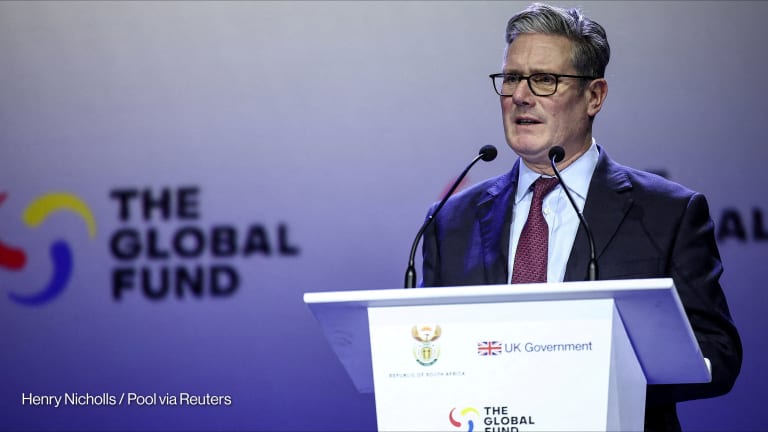
Germany pledged a total €50 million ($60.6 million) for each of the next three years — an apparent drop from their contributions in 2020, which totaled $113 million. Denmark, another one of CERF’s largest donors, increased their 2020 funding levels from $25 million to reach more than $27 million per year for the next two years. Ireland and Luxembourg announced that they would each provide €10 million to CERF in 2021. Belgium announced €17 million for next year and 2022. The United Kingdom announced an additional £56 million ($75.3 million) for this year.
Next year is expected to be the “bleakest and darkest yet” for humanitarian needs, and the U.N. estimated that it will require more than $35 billion for an adequate response.
Alice Armanni Sequi, the chief of OCHA’s pooled fund management branch, told Devex in the lead-up to the CERF meeting that the agency itself is “on solid footing, overall.”
“As you can imagine it is indeed a difficult funding year, but we have seen an uptick and upsurge of funding to CERF post-COVID. Many member states saw CERF being able to respond to COVID to effectively,” Sequi explained.
“In a global pandemic, you cannot work in the same way. We shifted and pivoted real quickly so we were able to keep up in a very short time frame,” Sequi continued.
Last year, CERF gave more than $820 million to fund life-saving assistance to people in 52 countries. Their goal of reaching $1 billion in funding a year, however, is a fraction of the more than $25 billion humanitarian needs required this year.
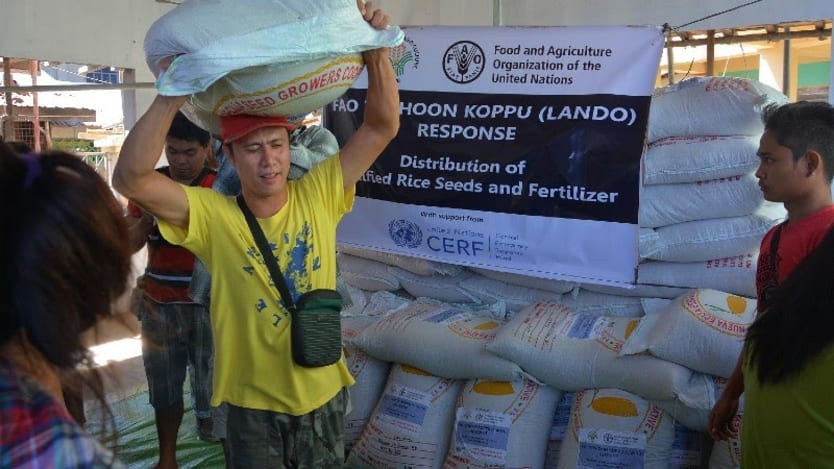
For the first time, CERF allocated funding to U.N. agencies at the global level in 2020 — allowing agencies to decide for themselves where the money is most needed. It also has begun funding anticipatory action, and directly funding nonprofit organizations, selected by U.N. country offices.
“That is quite a big change in the way we responded, but it was done extremely quickly and we got the money out in one to two days and they appreciated the flexibility to use those resources,” Sequi said.
CERF has also directly funded gender-based violence response work in the last year, giving $25 million to a crisis the U.N. has dubbed a “shadow pandemic.”
“When cases of gender-based violence were soaring during the pandemic, many millions of U.S. dollars were allocated for GBV projects. That very allocation had catalytic effect and increased the number of GBV projects even beyond the specific allocation,” said Sibylle Sorg, Germany’s director general for crisis prevention, stabilization, peacebuilding and humanitarian assistance.
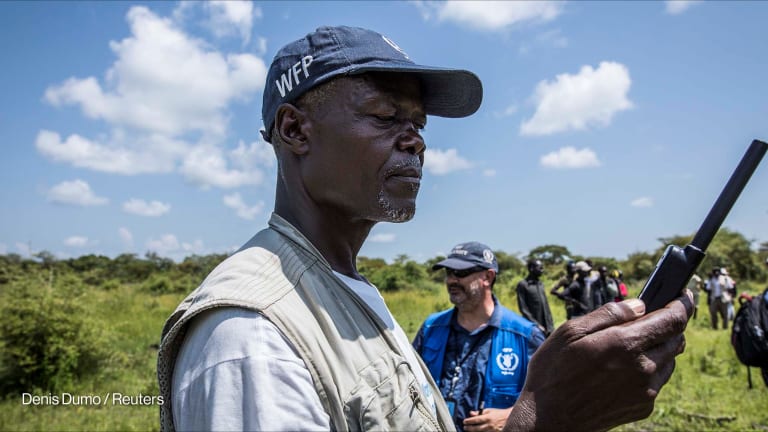
Norwegian Refugee Council was among the NGOs that received CERF funding for displacement work in South Sudan last year, according to Stine Paus, NRC’s institutional partnerships director. NRC slightly increased its funding levels in 2020, but is not expecting a “big growth due to the funding environment” next year, Paus explained.
“Needs have gone up, and the general trend is that funding is not following. The gap keeps widening between the needs and the funding available,” Paus said.
“Our analysis has been that we are currently ... slightly more worried for 2022 because we can see that a lot of the funding takes us far into 2021, but what happens in 2022 still seems uncertain,” Paus continued. “That is where we are a little bit worried about what is going to happen.”
Earlier in the week, the U.N. Population Fund also released its largest appeal yet for $818 million in 2021, a nod to the rising humanitarian needs for women and girls, in particular, in protracted conflicts like Yemen.
Twenty percent of households in Yemen are now headed by women, and of these, 22% are headed by girls under the age of 18, according to UNFPA country head Nestor Owomuhangi.
“Most people always feel there is war going on, famine risk going up, but what is underneath, is that the actual humanitarian needs of what is affecting women the most. As the war continues, we see women increasingly, disproportionately getting affected,” Owomuhangi said.
Some Gulf State donor funding for UNFPA’s office in Yemen “dried up at the end of March,” pushing the agency to close 80% of its health facilities in the country, according to Owomuhangi. Funding from CERF later allowed the agency to reopen some of the clinics that focused on women’s health.
“There wasn’t any other reason why we couldn’t reach more people other than lack of funding. We can still reach as many people as possible, irrespective of COVID and the narrowing humanitarian space,” Owomuhangi said.
About the author

Amy Liebermanamylieberman
Amy Lieberman is the U.N. Correspondent for Devex. She covers the United Nations and reports on global development and politics. Amy previously worked as a freelance reporter, covering the environment, human rights, immigration, and health across the U.S. and in more than 10 countries, including Colombia, Mexico, Nepal, and Cambodia. Her coverage has appeared in the Guardian, the Atlantic, Slate, and the Los Angeles Times. A native New Yorker, Amy received her master’s degree in politics and government from Columbia’s School of Journalism.