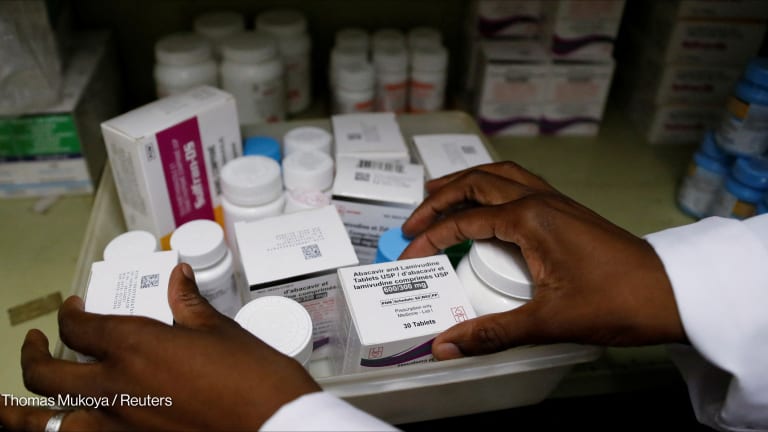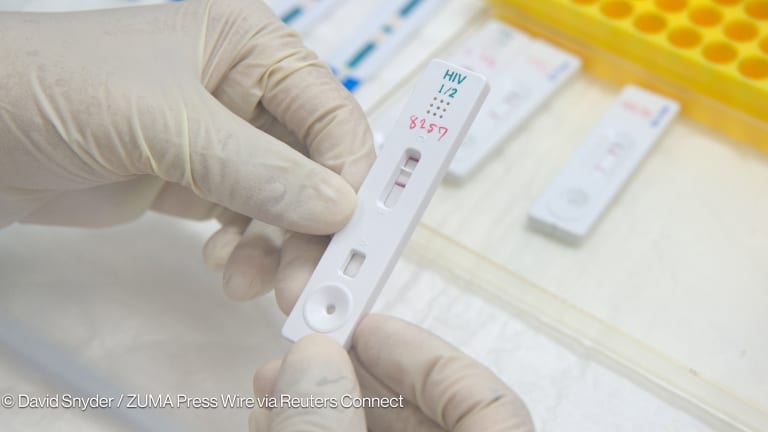



The Trump administration’s "America First” global health strategy proudly showcases lenacapavir, or LEN, a twice-yearly injectable for HIV prevention, as proof of U.S. innovation and leadership. Yet in practice, $11 billion in U.S. health aid is now flowing through 15 bilateral agreements that fail to include a single HIV prevention target.
Beyond cursory mentions in the Eswatini and Mozambique press releases, the game-changing drug is nowhere to be found in the deals meant to define the future of U.S. health aid.
The U.S. shift toward bilateral health assistance agreements and country ownership represents important progress. The old model of U.S.-driven global health programs often sidelined local expertise and priorities. The question, however, is not whether this new approach has merit, but how to ensure it delivers on its promise, particularly for breakthrough innovations such as LEN to be rolled out with speed, scale, and equity.
About the author

Brendan Foley
Brendan Foley is a John F. Kennedy fellow and Master of Public Policy student at the Harvard Kennedy School. Previously, he worked in public affairs at PEPFAR and in global health advocacy advancing U.S. support for the Global Fund to Fight AIDS, Tuberculosis and Malaria. He holds a Bachelor of Arts in Economics and International Relations from Tufts University.